
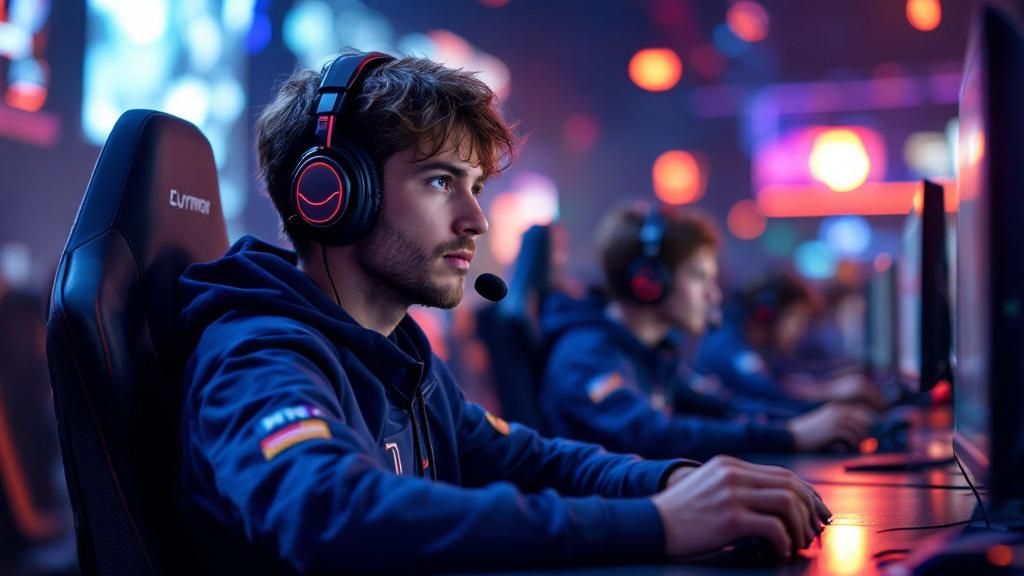
The esports industry has advanced substantially in prioritising competitor wellbeing. Prominent event operators have together launched a comprehensive player welfare standards framework, addressing persistent issues about mental health, working conditions, and fair treatment within the professional gaming sector. This significant undertaking marks a pivotal moment for esports legitimacy, setting foundational safeguards that could fundamentally alter how the industry operates. We examine the framework’s principal elements, the entities leading this transformation, and what it means for players and the competitive gaming landscape moving forward.
Industry-Wide Commitment to Player Health
The coordinated partnership between prominent esports bodies marks a watershed moment for competitor welfare within competitive gaming. This unified framework demonstrates the industry’s genuine commitment to establishing sustainable standards that emphasise player health alongside performance quality. By pooling resources and expertise, these organisations have established thorough standards addressing physical condition, mental wellness, and occupational safety. The initiative reflects growing recognition that player welfare directly influences output standards and career longevity, making it crucial for the sector’s reputation and development.
Tournament organisers have recognised that previous standards were scattered and uneven, leaving players vulnerable to overwork and exhaustion. The updated system standardises expectations among principal events, guaranteeing all professional athletes gets fair consideration and access to essential support services. This integrated system eradicates unequal conditions stemming from inconsistent protections and establishes a level playing field. Industry figures emphasise that these standards represent minimum requirements, urging bodies to go beyond minimum standards and build authentically nurturing spaces where competitors can excel both professionally and personally.
Key Aspects of the Welfare System
The newly formed welfare framework comprises various interrelated pillars intended to protect player interests comprehensively. These provisions address psychological wellbeing support, physical fitness, equitable employment terms, and clear dispute handling processes. By combining these components, tournament administrators aim to create a holistic approach that recognises esports athletes as competitive professionals deserving comprehensive protections. The framework sets minimum standards that all associated competitions must implement, guaranteeing consistent player safeguards across the esports competitive sector.
Psychological Health Support Services
Recognising the emotional demands characteristic of esports at a professional level, the framework requires availability of mental health professionals for all players competing. Event organisers are required to provide confidential therapy services, via direct provision or partnerships with experienced mental health organisations. This provision covers stress reduction, anxiety management support, and emergency intervention services. Players have access to experienced psychologists who understand esports-specific challenges, such as online harassment, intense competitive pressure, and uncertain career prospects.
The framework also mandates tournaments to introduce mental health awareness programmes and anti-stigma campaigns across the community. Organisers are required to train players, coaches, and staff about spotting mental health concerns and accessing appropriate support. Periodic reviews and wellbeing tracking mechanisms enable identify struggling players early, enabling proactive intervention before situations develop into severe mental health emergencies.
Physical Health Requirements
Tournament coordinators must establish comprehensive physical health standards tackling ergonomics, rest periods, and healthcare monitoring. The framework mandates correct seating arrangements, monitor positioning, and breaks to reduce repetitive strain injuries frequently seen in esports professionals. Healthcare professionals must attend at significant events to address immediate medical concerns, whilst organisers are obliged to offer guidance about injury prevention and suitable medical facilities for sustained athlete progression.
Environmental factors at tournament facilities are now governed by strict requirements ensuring player comfort and safety. Regulations address temperature control, lighting standards, and noise levels to establish optimal performance conditions. Additionally, the framework supports players to undergo periodic health checks and offers guidance on nutrition, sleep hygiene, and exercise routines essential for sustained professional performance in esports.
- Workplace gear evaluations conducted by qualified specialists
- Required breaks during competitions preventing athlete fatigue
- On-site medical staff available during all competitive events
- Injury reduction training and recovery programme availability
- Wellness tracking systems tracking athlete health across the year
Rollout Schedule and Requirements
The framework will be deployed in three different phases, commencing immediately with initial evaluations across member organisations. Tournament operators have agreed to completing baseline audits of their current practices by the first quarter deadline, highlighting discrepancies between present frameworks and the new standards. This preliminary stage ensures a detailed evaluation of each organisation’s baseline position before introducing significant modifications. Following phases will include employee development, procedural revisions, and the establishment of autonomous monitoring systems to secure conformity and accountability throughout the esports ecosystem.
The standards themselves include mandatory provisions covering mental health support, sensible practice arrangements, and open reward distribution systems. Each organisation must designate a dedicated player welfare officer accountable for managing grievances and upholding guidelines. Regular audits, carried out by third-party bodies, will assess conformity and identify areas requiring improvement. These comprehensive measures set defined targets for player protection, with regulatory tools including financial penalties and prospective event bans for organisations unable to meet required standards.
Sector Response and Future Perspective
The declaration has received widespread support from key figures within the professional esports landscape. Player unions have praised the structure as a essential move towards professionalising the space, whilst franchise operators and commercial partners acknowledge the potential for improved legitimacy and longevity. Equipment suppliers and content distribution networks have undertaken to incorporate player welfare into their business practices, illustrating a shared dedication to comprehensive transformation. Early indications suggest that governing authorities and government officials view the guidelines favourably, possibly opening the door to formal legal recognition of competitive gaming as a legitimate professional sector.
Looking ahead, industry observers anticipate that this framework will serve as a template for global adoption, with regional tournaments and smaller competitions set to adopt similar guidelines. The programme is likely to inspire ongoing discussion regarding athlete remuneration, career development pathways, and mental health resources. As esports continues its rapid expansion, these player protections represent a crucial safeguard guaranteeing that competitive gaming stays viable, welcoming, and considerate for all participants, in turn strengthening the industry’s position as a legitimate competitive sector.
